September 22, 2026 Post by : Editorial Styling & Editing
The Art of the Gallery Wall Without the Chaos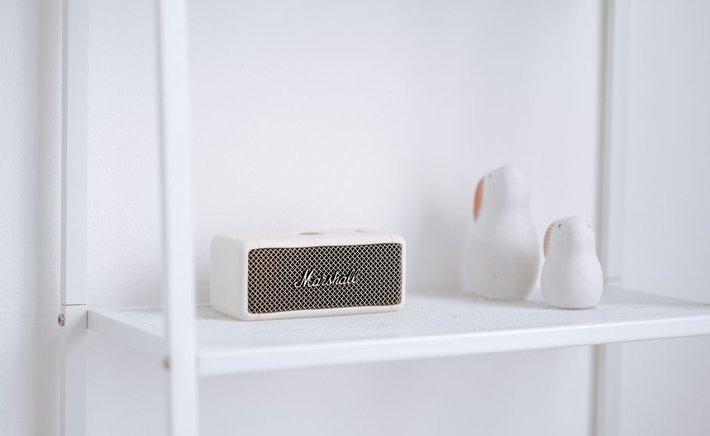
When a room feels off, the instinct is to add — a new cushion, a new print, a new plant. Sometimes that works. More often, the room is not lacking something; it has too much of everything, and what it needs is for a third of it to leave. Editing is the least glamorous part of interior design and the most transformative.
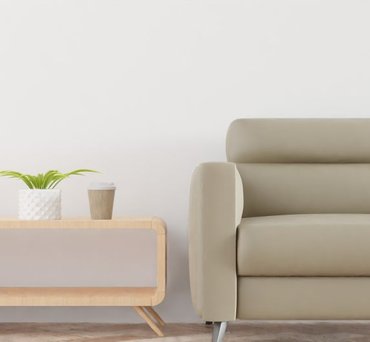
Start with surfaces. Every horizontal surface in a home — tables, shelves, windowsills, the top of the fridge — attracts objects the way a pond attracts leaves. Clear them completely, then put back only what you genuinely love or genuinely use. You will usually find that three or four objects do the work that twelve were failing to do. The empty space around them is not wasted; it is what makes them visible.
The same principle applies to walls. A single large piece of art on a blank wall reads as a statement. Five small pieces scattered across the same wall read as clutter, even if each one is lovely on its own. If you cannot bear to part with your smaller pieces, group them tightly into one deliberate cluster rather than spreading them across the room. Density plus emptiness is the formula; evenness is the enemy.
The One-In, One-Out Rule That Actually Sticks
Decluttering fails when it is treated as a one-time event. Things come back. The house refills. What works better is a slow rule: for every new object that enters the home, one leaves. A new vase means an old vase goes to a charity shop. A new book means an old book is passed on. This sounds trivial, but over a year it keeps the total volume stable, which is the only thing that matters in the long run.
Be honest about the categories that quietly overflow. For most people it is books, cables, mugs, and tote bags. You do not need to be ruthless about everything. Pick the two categories where your home is genuinely overrun, and apply the rule there. Let the rest be.
Display What You Love, Hide the Rest
Not everything in a home deserves to be seen. The difference between a styled room and a messy one is often not the quantity of things but whether the functional clutter has somewhere to go. Baskets, closed cabinets, and drawers are not cheating — they are the infrastructure that makes a calm room possible.
Then, on the open surfaces, put only the things that carry meaning. The bowl you bought on a trip. The photograph that makes you smile. The book you are actually reading. A room styled with things you love will always look better than a room styled with things that match, because meaning shows. When you edit down to what matters, what remains stops being decoration and starts being a portrait of the person who lives there.

Author

22 feb,2025
This incident opened my eyes to the value of Insurance in general, so I decided to examine my personal and business insurance.

Comment (3)
The payments are made directly from one person to another without passing through a central bank or clearing house.
22 feb,2025
ReplyPlants as Architecture: Using Greenery to Shape a Room
23 feb,2025
ReplyRugs That Anchor a Room (and the Mistakes That Undo It)
23 feb,2025
Reply