September 25, 2026 Post by : Editorial Materials & Texture
Rugs That Anchor a Room (and the Mistakes That Undo It)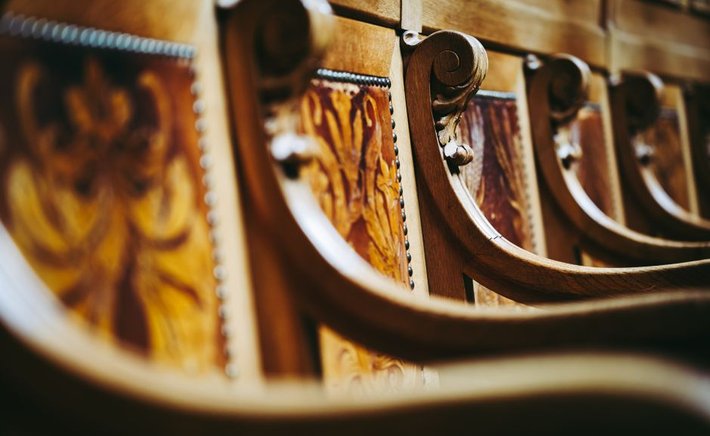
There is a reason every design trend eventually returns to wood. It is warm in a way that no synthetic material manages, it carries history in its grain, and unlike almost everything else in a home, it gets better as it is used. A scratched oak table is not damaged; it is lived in. A faded pine floor is not worn out; it is a record of the years.
Choosing wood, though, is not a single decision. Different species behave very differently in a room, and the wrong one can fight everything around it. Oak is the reliable middle ground — pale, grained, and neutral enough to sit with almost any palette. Walnut is darker and richer, and it brings a formality that suits traditional rooms but can feel heavy in a small, bright space. Ash is similar to oak but lighter and more open in grain. Pine is soft, cheap, and impossible to keep pristine, which is either its charm or its curse depending on your temperament.
Then there is the finish, which changes more than the species does. Oiled wood feels matte and natural, and it can be spot-repaired with a cloth and a little oil when it marks. Lacquered wood is more resistant but shinier, and once it chips, the repair is visible. Waxed wood is somewhere in between and has a depth that photographs badly but looks wonderful in person.
Mixing Woods Without Making a Mess
The old rule that you should never mix wood tones is nonsense, but there is a version of it that holds. What looks wrong is not variety but randomness — five unrelated tones with no logic between them. What looks right is a deliberate range: two or three species that share an undertone, warm with warm or cool with cool, and one piece that is clearly the odd one out on purpose.
A useful trick is to repeat each tone at least twice in the room. A walnut coffee table and a walnut picture frame. An oak floor and an oak chair. Repetition turns a collection of individual objects into a scheme. Without it, even beautiful pieces look like they arrived by accident.
Let Wood Age Instead of Fighting It
The impulse to protect wood from every mark is understandable but exhausting. Wood is a living material, and the patina it develops is the point. A dining table that shows the rings of a hundred glasses is more interesting than one that looks new. A floor that has darkened unevenly in the sun has character that no factory finish can imitate.
That said, a little care goes a long way. Keep wood out of direct, punishing sunlight if you can, wipe spills before they soak in, and re-oil surfaces once a year. Avoid silicone polishes, which build up and dull the surface over time. A soft cloth and a good furniture oil will do more than any spray can. Treat wood as something you are keeping rather than something you are preserving, and it will reward you for decades.
Author

22 feb,2025
This incident opened my eyes to the value of Insurance in general, so I decided to examine my personal and business insurance.




Comment (3)
The payments are made directly from one person to another without passing through a central bank or clearing house.
22 feb,2025
ReplyLiving With Wood: A Guide to Warmth That Ages Well
23 feb,2025
ReplyThe Case for Fewer Things: Editing Your Home Down to What Matters
23 feb,2025
Reply