September 16, 2026 Post by : Editorial Materials & Texture
The Bedroom as a Resting Place: Designing for Sleep, Not for Show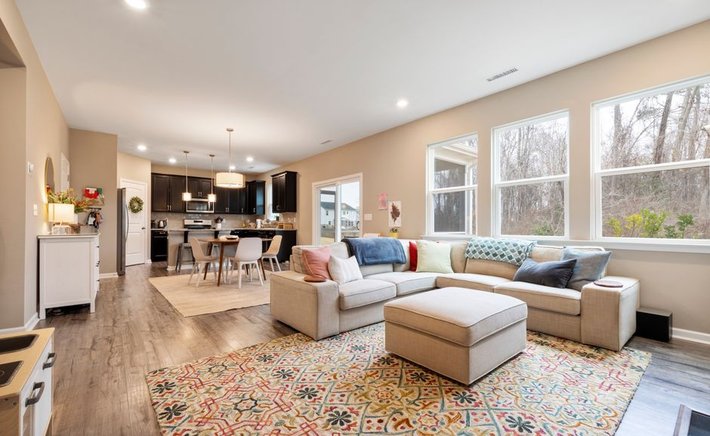
No single object changes a room as quickly as a rug, and no single object is bought with less thought. People choose a rug by colour and pattern and then discover, once it is home, that the room still feels unfinished. The reason is almost always size. A rug that is too small does not anchor a space; it floats in the middle of it like a postage stamp on a large envelope.
The rule that solves most of this is simple: at least the front legs of every piece of furniture in a seating group should sit on the rug. If the sofa and chairs are all standing on bare floor with a small rug in the middle, the room reads as disconnected. If they are all on the rug, the grouping becomes a single unit with a clear boundary. In a dining room, the rug should extend at least sixty centimetres beyond the table on every side, so chairs stay on it when pulled out.
Bedrooms have their own logic. A rug that only covers the space at the foot of the bed looks like an afterthought. Better to have a rug that extends out from both sides of the bed, so your feet land on it when you get up. If a single rug that large is out of budget, two runners on either side of the bed work just as well and often look more deliberate.
Colour, Pattern, and the Question of Boldness
A rug is the largest piece of colour in most rooms, which makes it the easiest place to be brave and the easiest place to regret. A patterned rug can carry a whole scheme, giving a neutral room the interest it lacks. A plain rug can calm a busy room, letting patterned cushions and art do the talking. The mistake is doing both — a bold patterned rug in an already busy room creates competition, and the eye has nowhere to rest.
If you are unsure, choose a rug that is one step bolder than you think you want. Rugs are more forgiving than paint because they sit low and are partly covered by furniture. A rug that feels slightly too much in the shop often feels exactly right in the room.
Material Matters More Than You Think
Wool is the gold standard: durable, warm, and naturally stain-resistant. It costs more, but it lasts for decades and ages gracefully. Cotton is cheaper, flatter, and better suited to flatweave styles and casual rooms. Jute and sisal bring texture and a natural look, but they are rough underfoot and unforgiving on bare feet in winter. Viscose looks like silk and feels luxurious, but it marks easily and is not a good choice for high-traffic areas.
Whatever you choose, use a rug pad. It stops the rug sliding, protects the floor beneath, and makes even a thin rug feel more substantial. It is the cheapest upgrade you can make to any rug, and most people skip it.


Author
22 feb,2025
This incident opened my eyes to the value of Insurance in general, so I decided to examine my personal and business insurance.


Comment (3)
The payments are made directly from one person to another without passing through a central bank or clearing house.
22 feb,2025
ReplyThe Quiet Power of Beige: Why Neutral Rooms Feel Like Home
23 feb,2025
ReplySmall Rooms, Big Ideas: Making Compact Spaces Feel Generous
23 feb,2025
Reply